
Welcome, comrades, to this week’s Barely Civil Society. This is sent to you in absentium, cued-up one week earlier, by a man who is currently (hopefully) in Europe. Proper Europe.
I know, I know, you think I already took the summer off. No, I spent it having a breakdown over a research proposal which I didn’t finish. And now I’ve completely changed me mind about what I’m doing. I’m a nightmare. In the meantime, I’ve been looking around for work at the busiest time of the year (I’m available! Hit me up), finishing the evaluation of a clinically-supported mental health green care project, bidding for funds for a range of projects, and creating a case for support for a fascinating and ancient charity.
Meanwhile, I have been writing a socialist history of charity. I’ve just about finished the 18th century, and it sort of feels like that goes for the charity sector too.
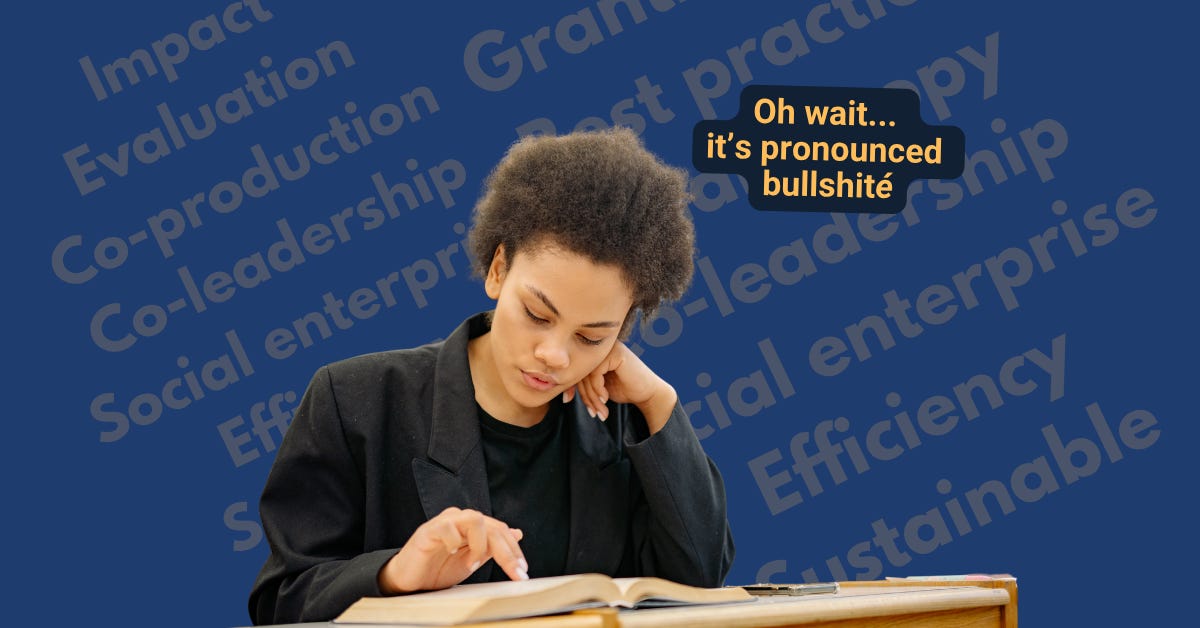
This week’s post is a helpful glossary for some of the weasel words you may be used to. Please do add your own in the comments. And remember, it’s just for fun.
News rundown at the end.
STOP PRESS
They’ve just released the souvenir brochure from the Tory Party conference. All Kemi’s best speeches and ideas, right at your fingertips.
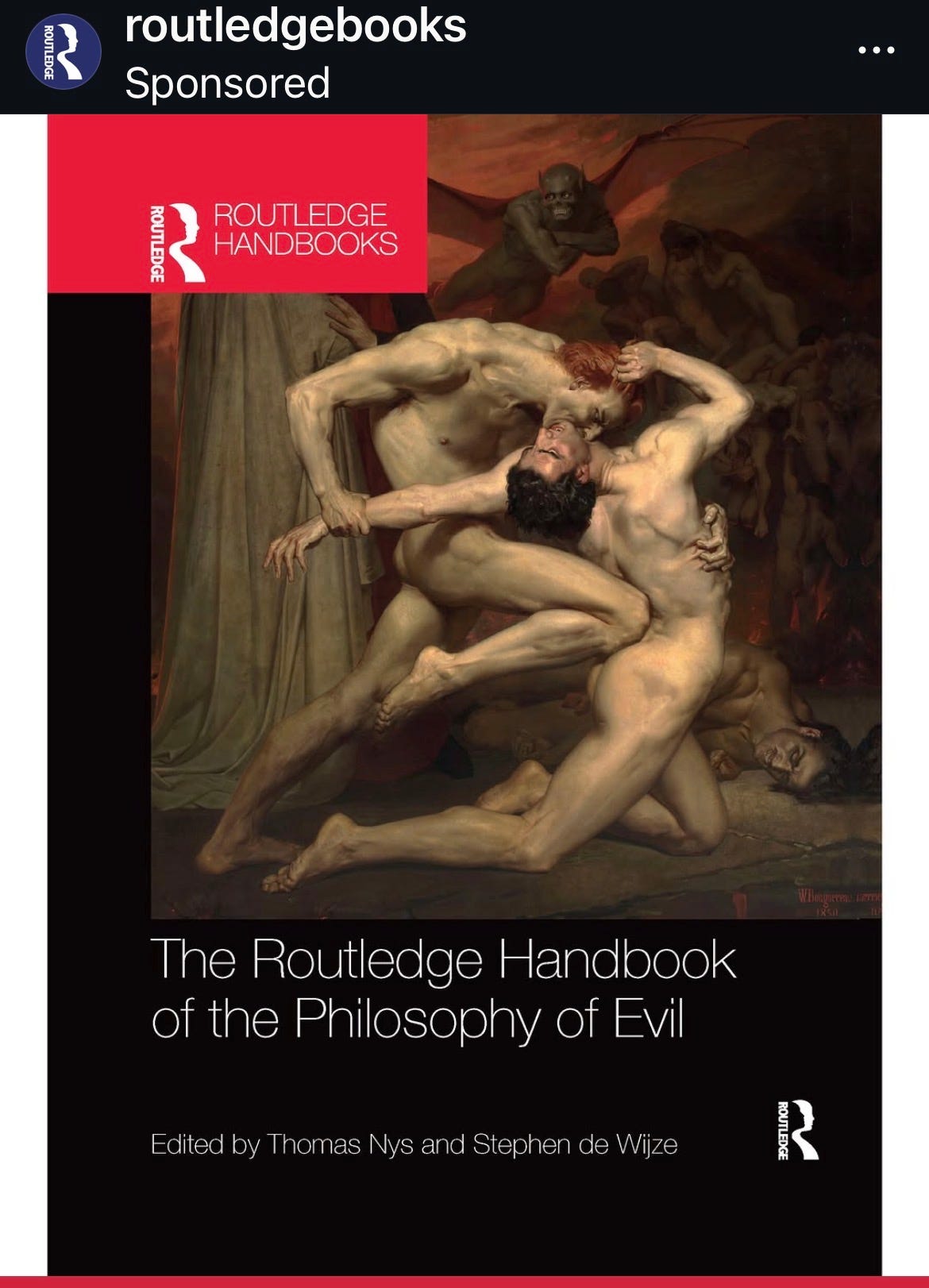
Reform had one too but it was one of those wipe-clean baby books you can read to your kid in the bath, with a picture on each page and a single word like ‘MOO’. Or a racist epithet.
Anyway, for the Tories, the most important take home is: look at Kemi! Look at her! Isn’t she clever and special! What a clever girl! Such a clever girl. She’ll go far. Very very clever. I bet she won ALL the prizes at school.
A Nonprofit Glossary
Terminologies change fast. As an intrepid, selfless, mission-driven professional, you need to have a good understanding of all the latest words. But not just what people say they mean. What they actually mean.
Step forward, Barely Civil Society, with our new patented nonprofit glossary. This may become an ongoing feature, unless it doesn’t. Don’t forget to add your own in the comments!
Evaluation and impact
Efficient
Cheap.
Measurable
Easy to count.
Impact
Magical substance produced by a university report.
Impact report
Brochure.
Evidence-led
Will do anything for public sector money

Funding concepts
Sustainable
Easy to stop funding after three years.
Unsustainable
Boring to funders.
Ambitious for growth
Delusional.
Scalable
Pile-em high, sell ‘em cheap.
Grantmaking
Responsive grantmaking
Funding whatever our trustees are interested in today.
Strategic grantmaking
Funding whatever our trustees were interested in last year.
Simple application form
Not a simple application form
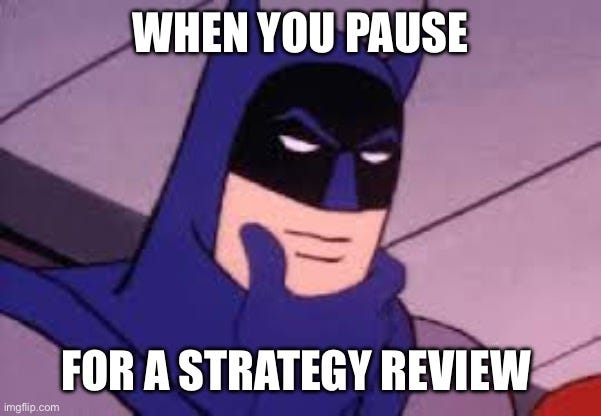
A short pause for a strategy rethink
See ya, wouldn’t wanna be ya.
Rethinking leadership
Youth-led
Led by young people doing UCAS applications.
Community-led
Led by the poshest people in your street. Or the scariest.
Community involvement
Focus groups.
Founder-led
Led by a crazy person.
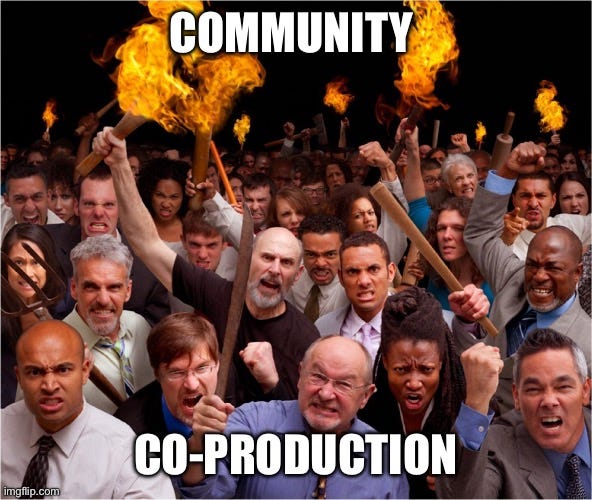
Co-production
Survival of the fittest. Winner takes all.
Enterprise
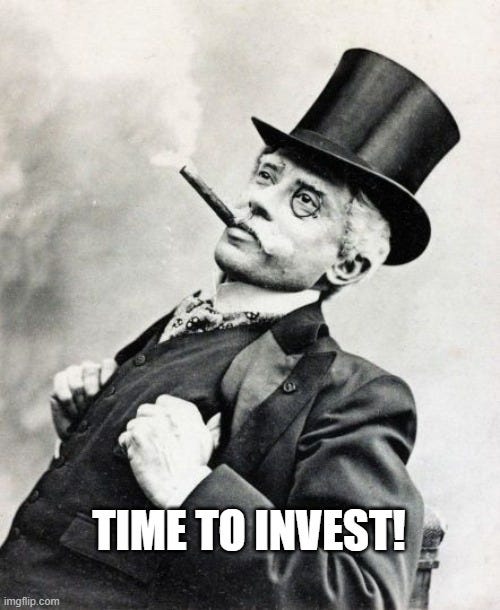
Social enterprise
1. A charity pretending to be a business
2. A business pretending to be a charity.
3. Another consultancy firm.
Community enterprise
1. Big Local-funded cafe, for yoga mums who don’t have a Gail’s (*wealthy area).
2. Cafe that will close in 3 months (*deprived area).
3. Bicycle repair collective (*Hackney).
Social finance
Trap.
Workforce
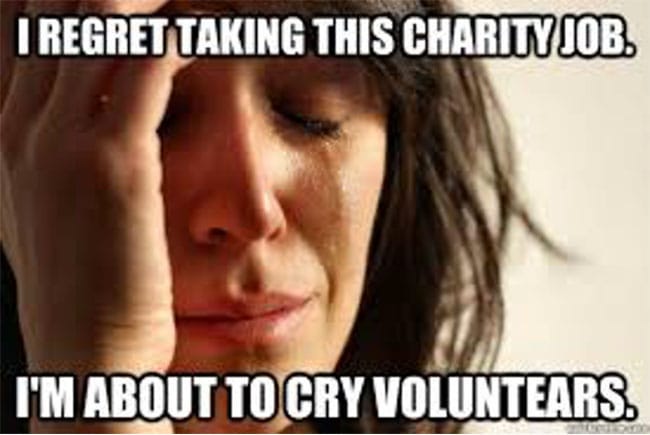
Mission-driven staff
Exploited workforce.
Passionate for the cause
Aggressive, for moral reasons.
Consultant
Someone you think is going to rip you off.
Freelancer
Someone you think you’re going to rip off.
Exciting new venture as a freelance consultant
Made redundant.
Buzzwords
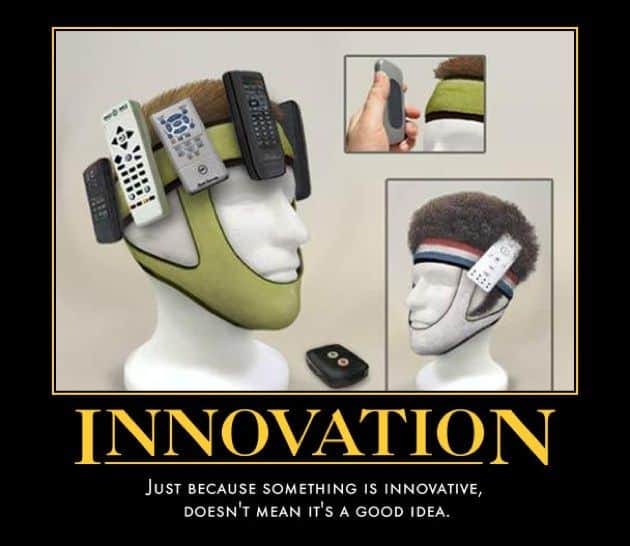
Innovative
Set up by people who don’t know what anyone else is doing.
Groundbreaking
Doing what everyone else does, with better marketing.
Unique
1. Not unique, or
2. Daft.
Nonprofit news rundown
News-wise, we’ve seen RNLI sailors getting threatened by a dinghies full of gammon. Behold! A floating charcuterie counter, replete with the kind of bellends who cry in the bathroom when they lose the football.
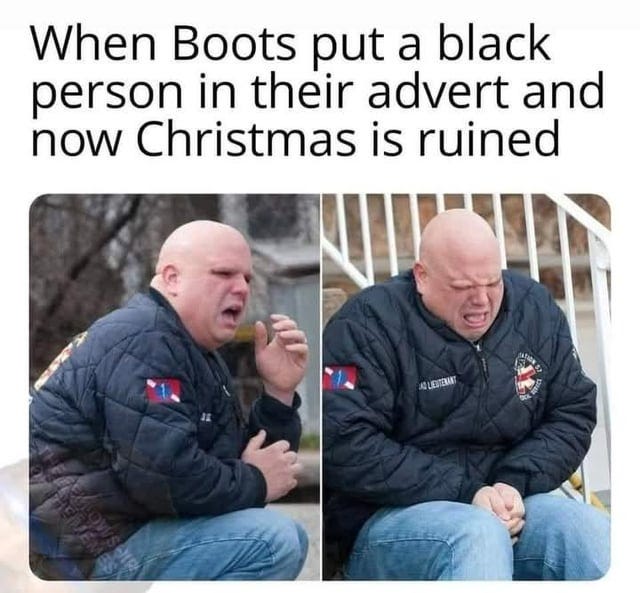
This has raised the question of volunteer safety - sort of. And there’s a new charities minister (also minister for, as far as I can tell, everything nobody is very bothered about). Vicky Foxcroft is an MP from Lewisham, and the VCS is very well-represented and listened to here. So that’s probably good. NCVO got their pic in pretty sharpish, with a headline in Civil Society about volunteer safety (just volunteers?). It does look a bit like Kate Lee has just done a home invasion and Vicky is signalling off-camera to call the police.
National Lottery: this is about more than processes and rubric
The National Lottery are currently going through their review, with people like Joanna Jeffery and Sarah Jane Pickering sending a letter on behalf of the whole sector in terms of their application processes and people’s experiences. And there are big strategic - and I think fundamental, vision and purpose, changes on the agenda.
The National Lottery wants to get away from the word ‘charity’ and ‘charitable’, and to put ‘community’ and the idea of communities leading on causes and projects that matter to them at the centre. This sounds good, but it is taking the lottery away from being a funder of charitable organisations - this seems to be the long term plan, that it is a sort of investment platform for local groups to set things up.
This is no doubt driven by the, surely, pre-decided conclusions of the Big Society Boondoggle Bonanza that was Big Local - charities who have existed and supported their communities for generations are much less of interest - and much less politically useful - than groups of local people who choose to set up a cafe for yummy mummies who don’t have a Gail’s. More and more, the Lottery sees it cannot play both roles - as a supporter of your local cancer charity or a voluntaristic way of topping up local authority social care or education provision cut to the bone, or a funder of exciting new mutualist and community-driven major projects to revitalise whole areas. I understand this, and in some ways it is to be welcomed. But make no mistake - there is another huge hit coming for the existing charity sector. The localism agenda is also worrying - it could mean tribal and highly politicised as much as it means people-powered.
This is a fundamentally different vision for the National Lottery, and I think many of us are sleepwalking into it. It is a very good idea to have a huge fund that people can choose to pay into to invest in good things that happen locally. But the NLCF is likely the biggest driver (as well as the biggest funder) of the charity sector as an economy per se, and of its huge growth since the turn of the century.
At this stage, people are very angry about it, and demanding change to how it operates day to day - but there may be a much more radical and unexpected change of its fundamental function and direction than many realise.
Reproducing Ruperts
I was very lucky to meet the fabulous Fozia Irfan recently. I’m not sure I’ve ever met someone with a Wikipedia entry before. Anyway, like me, she’s very interested in how inequality reproduces itself in charity. She wrote a great post about this on LinkedIn.
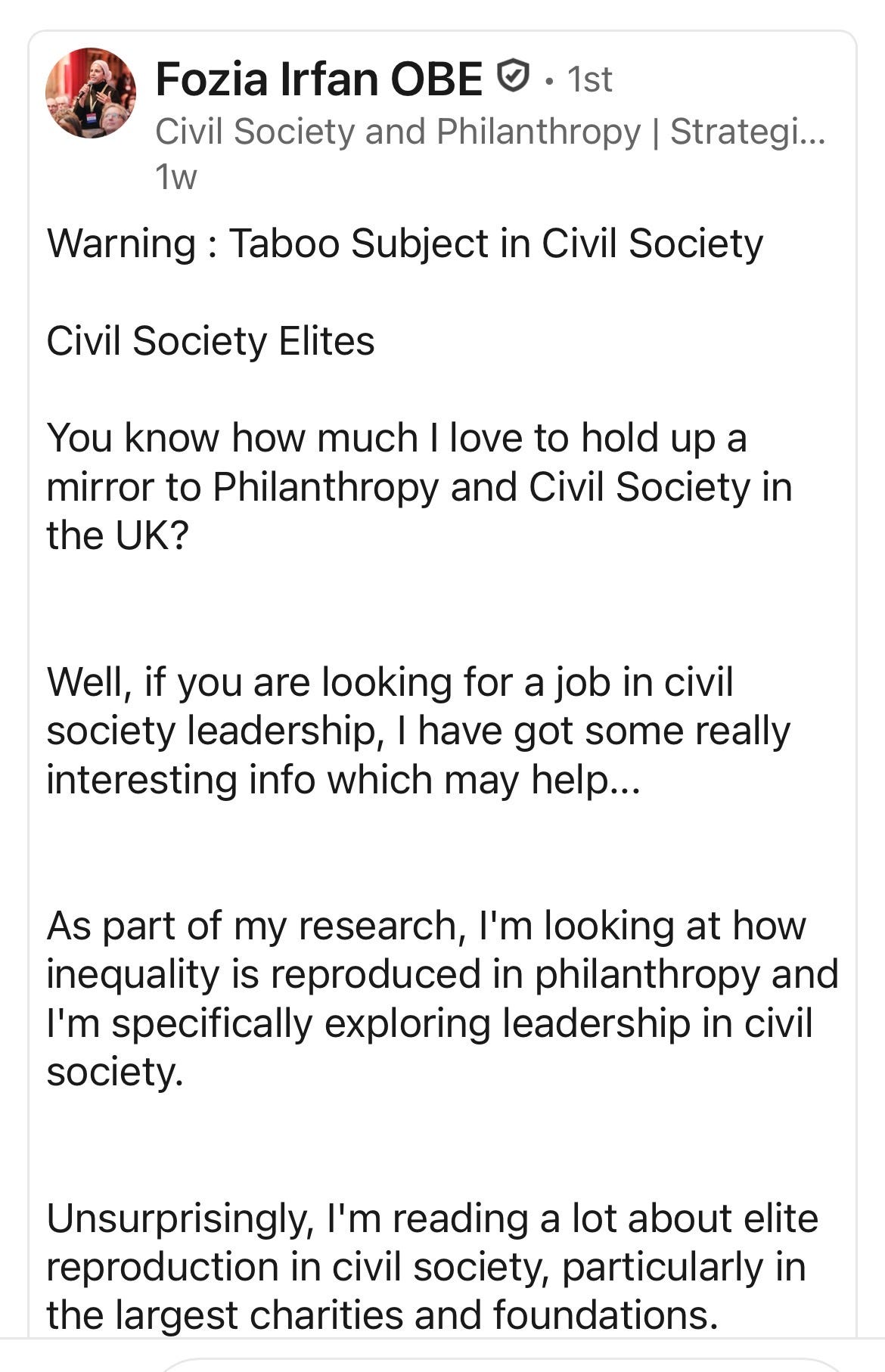
‘Reproduction of elites’ is such a perfect phrase for how our top levels always find others just like them. I like to think of some kind of 1950s sci-fi movie, with someone pulling a lever - then another bloke called Giles falls out of a hole in he ceiling.
And even if they don’t always look like each other (although they almost always do), they certainly think the same.
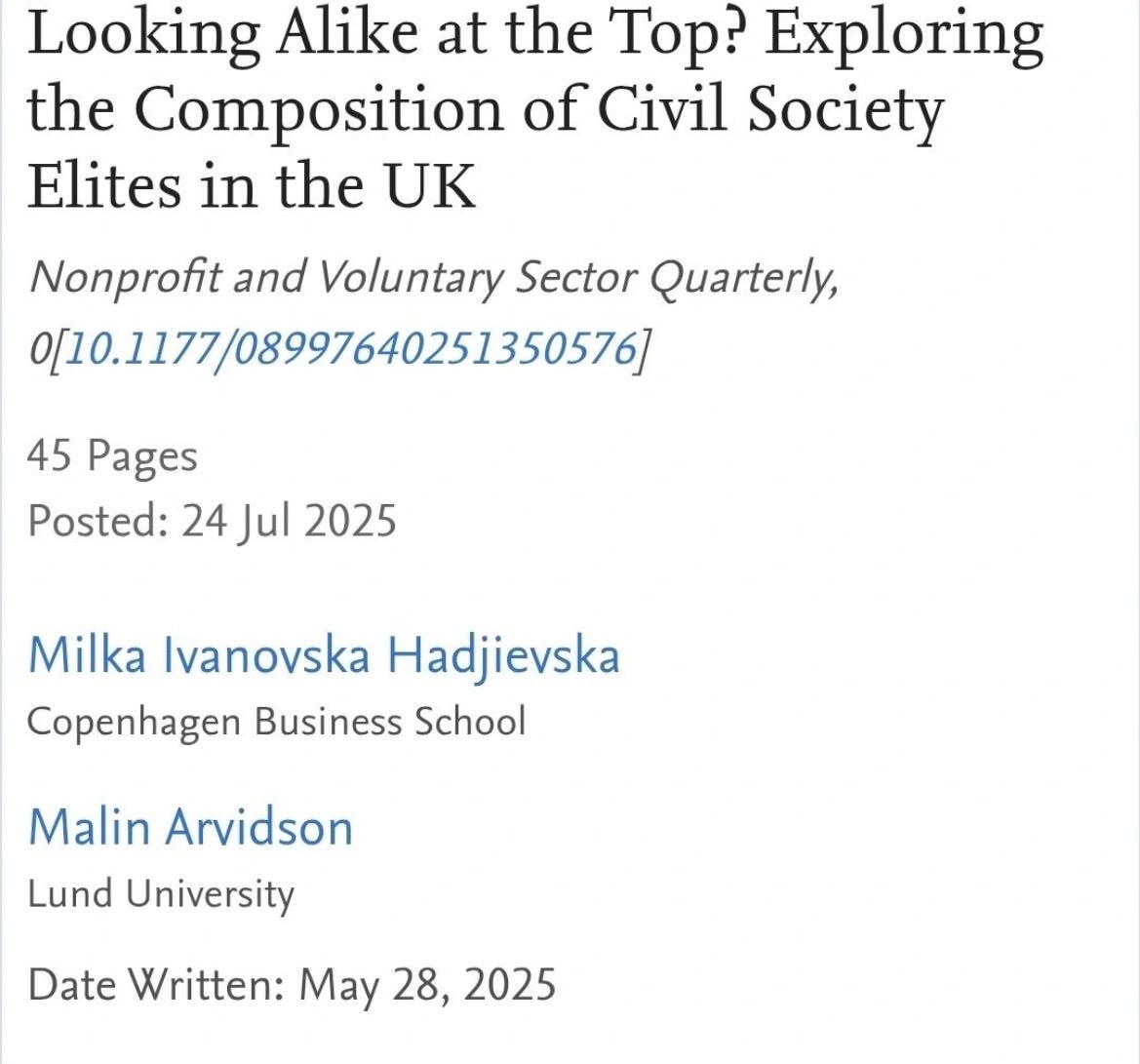
The point is - even if you avoid the ‘tap on the shoulder’ and recruit openly, you will just be recruiting for the same characteristics and ideas. The list of types of ‘capital’ the article lists are like the sections of a person spec for a Chair or CEO in a large foundation. Who do you know, how do you talk, how much money have you been in charge of, what are your connections?
In fact, I sometimes worry that the open recruitment approach which is ‘meritocratic’ is even worse than the tap on the shoulder: it literally puts class on the application form like a qualification....
Meanwhile, as I mentioned, I’m working on a shortish leftist history of charity at the moment which looks at how this works at a structural level in society - and the role charity plays in politics... What is truly remarkable is how at each stage of charity’s development, whatever the ruling class is, has been in charge - and how transparent this is... At the same time, the battles for control are in themselves fascinating. Things do change - but I’m not sure they change because of anything happening within civil society, so much as conditions outside it.
Fozia links to this article in her post:
That’s it for BCS this time. See you in three or so weeks for another James Cameron-style excursion into the depths of charity, in my reinforced pod.
Barely Civil Society is about making the nonprofit world braver.
Here are three ways to help.
Subscribe and become a supporter!
The research and writing of Barely Civil Society is 100% supported by readers who subscribe. Could you afford a paid subscription?
Share!
Support!
This work is 100% funded by kind donors and subcribers. Could you buy me the tube fare to a conference, or a periodical?

Send me a (nice) message
I love hearing from readers. Drop me a line!
Work with me!
Check out my day job webpage.
Or I will starve.