


Behold, I am returned from the coldest four days of my life in Copenhagen.
In a week where the news choice was between Bad Bunny and Jeffrey Epstein, I chose Bad Bunny and his hypnotic jiggling every time.
But, much as every fibre of my being pulls me the other way, we need to focus on the Epstein elephant in the room, and not the elephantine assets of everybody’s new Puerto Rican crush.
After the discussion of appalling philanthropy, we end with some Bad Bunny memes and other frivolous nonsense.
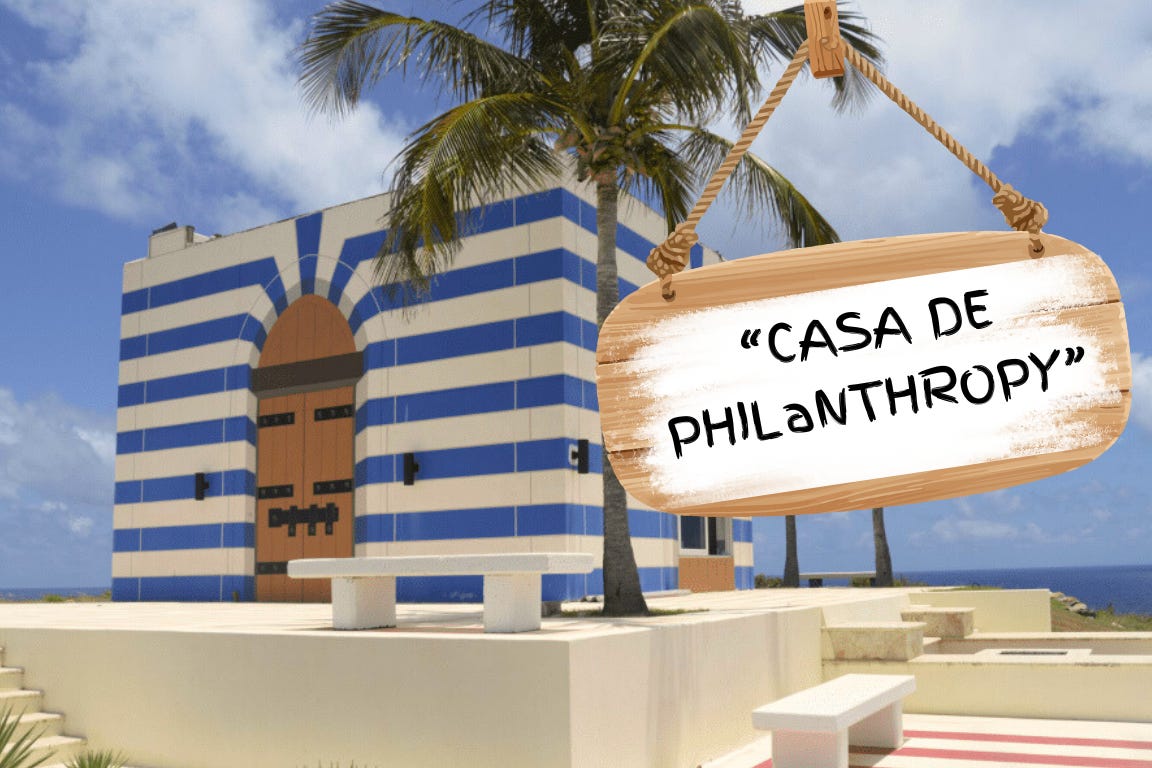
Epstein, Politics and Philanthropy
The Epstein Affair: Is it about sex?
Now, let’s get the caution about legal things out of the way. We must be very clear here: the fact that someone visited an island and/ or knew Epstein and Maxwell doesn’t mean they broke any laws. Some were quite deliberately caught up in the snare. Some were fellow travellers. Many should have known better. And far too many, but not all, were doing terrible things.
But anyway, I want to take this away from individuals to look at a class of people.
And as I want to be clear, I think there is a problem with the whole narrative around the Epstein case: that we are treating this as a ‘sex scandal’ as opposed to as a window into the lives and powers of an elite often invisible to us. And the unexpectedly open revelation of structures of power and privilege that some (not all) had imagined were in decline in the age of capitalist democracy - as if.
There have been different approaches in the - rightful - moral outrage in the press. For example, in the Guardian, Marina Hyde and others connect this with the Me Too moment - that this is yet further evidence of the systematic and appalling abuse of women and girls. She worries about shifted focus: “Obsessing over individual players and political chaos leaves less time to focus on the misogyny. And that’s for the best, isn’t it guys?” She’s right that this does take the focus away from the appalling treatment of women and girls, and we cannot lose sight of this horror. Furthermore, she is right that focusing on individual actors isn a distraction - everyone suddenly discovering Peter Mandelson is a bit of a sleazy shit (no!) isn’t really politics at all in any meaningful or critical way. It’s gossip, horsetrading, machiavellian soap opera. All of which draws us away from the much larger political critique we need to make about democracy and elites. This is politics as sport, not as politics.
Meanwhile, there is Heather Stewart’s approach: that this scandal, epescially where people like Mandelson are involved, is "‘laying bare the dark allure of the “filthy rich”, [and] it also underlines the need for tougher constraints on money in politics.” Like her, I feel we need to focus more on how these elites of fabulous wealth and prestige gain access to political power, and indeed, to make sure they make the political and economic world in their image.
If this model of power ever went into recession with the rise of 20th century liberal democracy, it was brief, shallow, and clearly on its way out again already, like democracy itself. Much of what we are seeing now is a mater of just that: what we are seeing.
The fact that they buy and sell and trade women and children as resources is no surprise at all - to them, everything can be bought, sold, traded, and used as a resource to buy favour or power - as well as something they can use and abuse to gratify their own desires as they see fit. To them, women are like any other resource: theirs for the taking, or to be used as a commodity for their own status and power. So, patriarchy.
Hyde and Stewart’s perspectives are far from incompatible. It seems to me that nowhere do we see more clearly how capitalism/ economy and patriarchy are utterly intertwined.
Philanthropy and class war
And so, we come specifically to philanthropy.
First, let’s be clear: philanthropy is an area where abuse of women is part and parcel of the game. So many of my women colleagues have been abused and harassed by ‘philanthropists’ and potential donors - so much so that I remember having to send a male chaperone to any corporate events where a female fundraiser would be present. Others on Substack have spoken about their treatment, for example, the brilliant Liz LeClair (she/her) . The well-known scandals are the tip of the everyday iceberg.
But as for the the wider issues about power, money and democracy, Alliance magazine very neutrally reported on the prevalence of some of big philanthropy’s top names in the Epstein files. Among the names were Bill Gates, Richard Branson (not known to have visited the island) and Howard Lutnick, all noted for their philanthropic work and prominence in ‘global giving’ circles. All deny any wrongdoing - and that is not really the point I’m making.
Gates is of course founder of the Gates Foundation, one of the world’s largest charitable foundations with an endowment of around $77 billion. Through Virgin Unite, Branson has worked with other philanthropists and leaders on initiatives such as The Carbon War Room (market-based solutions to climate issues, but of course!). Howard Lutnick’s net worth is around $2.7 billion, and he set up the Cantor Fitzgerald Relief Fund, which raised $180 million for 9/11 families and other disasters.
Oh, and let’s not forget noted philanthropist and humanitarian, Donald J Trump.
I’m not massively interested in the individual motivations for giving, even if those will range from the truly charitable to the grossly self-interested. Most will be somewhere in between. What I’m interested in is exploring the strange coincidence of wealth, power, secrecy and anti-democratic influence and philanthropy. Because it’s almost as if philanthropy is just one instrument in the toolbox of global elites for getting what they want, often secretly, surreptitiously, and frankly, for a song.
What we know is that philanthropy was a key part of Epstein’s life, fortunes, and network. As reported in the Guardian, one exchange in the files was between the vile Steve Bannon and Epstein: “First we need to push back on the lies”, “crush the pedo/trafficking narrative”, and “rebuild your image as philanthropist”. There is no beating about the bush here. Philanthropy is front and centre, and well understood by the most devious people on the planet, as a royal route to reputational rehab.
Now, there is little point here in further making the argument that ‘some philanthropists are awful’. We know. Brian Souter is a particularly loathed home-grown example of mine. Richard Desmond is another. (Neither of whom have been accused of any wrongdoing and have no connection to the Epstein case - my point is simply that some people who claim to be philanthropists are just horrible people). J.K. Rowling is spending millions on hurting trans women because they gave her naff crime book bad reviews.
As for those in the files so far, the Gates Foundation’s philanthropy has been controversial, and the allegations of use of ‘philanthropy’ to feather nests by writing off economic development costs to benefit corporate interests, or bend agriculture out of shape in developing nations are pretty grim, much as they are denied by the foundation itself. We know much donor-advised fund giving involves highly devious ways of maximising corporate profit and minimising taxation.
And many individual philanthropists and corporations are clearly using their wealth to launder their reputations because they have done dreadful things. The Sacklers practically have to beg people to take their cash at this stage.
We can also see that philanthropy can get you access to the people you would never consider possible. Noam Chomsky, an intellectual hero of mine, (incidentally, I’ve always admired his refusal to claim he is a saint) was partly ensnared by Epstein by offers of money for his philanthropic ventures. Having access to Chomsky, with his stellar reputation as a humanitarian, leftist critic and great intellectual, of course gave Epstein more credibility in circles he would never normally have. (As well as one more person he had kompromat on.) Philanthropy was one of the key ways he got into the room with the right people - and what Epstein and his type are best at is finding what people need and what makes them tick. Donations to pet projects are a better route to influence for some than, say, payments for one’s husband’s osteopathy course.
So what’s new?
These are all well-worn critiques of big (and sometimes small) philanthropy itself. You may remember me ranting about this around this time last year. So what does the Epstein case, and his involvement with philanthropy and other philanthropists tell us more broadly?
I think it tells us that the structures of philanthropy mirror the wider problems in our world with massive, unaccountable, amoral elites. We see that the abuse of women is endemic. We see that global elites of the ultra wealthy have as much influence as, if not more than, states. We see that behind the facade of our democracies, there are more powerful alliances and allegiances which make decisions without reference to the people. That in itself is far from new: this is all patronage, privilege, the giving and receiving of favours. And let’s be clear: while the most profitable playgrounds of philanthropy may be reserved for the very top elites, none of us who has worked in fundraising is unfamiliar with all of these issues writ small and local as well as large and global.
And it tells us that much modern ‘philanthropy’ can only thrive in a world with massive inequities of power, prestige and wealth. But more than that, philanthropy helps to prop it up.
Seeing such philanthropists in proximity to this mass of influence, secretive, conspiratorial deals, and lavish venality tells us, not (just) that they are bad eggs, but what so much philanthropy is really for.
The point is that elite philanthropy is forms part of the horse trading, buying, selling, and exchange of political economic and social power between elites. It tells us that philanthropy is a weapon and a tool of the ruling classes. Because let’s be clear - philanthropy is not something that is just available to anyone.
At best, philanthropy is just another ride in the playground for the ruling class. But it has greater instrumental value than this: it launders reputations. It gives people access to political power and opens doors. It buys credibility and ‘favour’, both political and economic. It throws the plebs off the scent of fair taxation, or worse. It acts as a mythology of the largesse and intellectually superior supposed forward-thinking of a class of people who most often are lucky, greedy, or both.
And it confirms again that the issue we are dealing with here is not just a matter of goodies and baddies and individuals who are gold or brass. This is a systemic issue, not just individual morality. The ruling economic elites, with their shared interests for profit and power, use philanthropy to grease the wheels and reinscribe their hegemony - that is, their dominating influence, especially at the cultural and political level. We must stop believing their mythology.
The Epstein files should act as the starkest possible case study of how philanthropy serves as an ever-present tool in the undemocratic power-broking of the ruling class in late capitalism.
David Holdsworth, Charity Commission CEO
“I think the other thing we should do is raise the visibility of the great work of the sector and of philanthropists. I think we’ve gone through a period where philanthropy has not had the recognition it should. It’s not been celebrated as it should.”
— ‘More recognition for philanthropy needed, Charity Commission chief says,’ Emily Moss, Civil Society 12th Feb 202
What to do?
So everyone always wants a simple solution. This is people’s most common objection to these critiques - we know all this but what are we supposed to DO about it? (‘Waaaah’ is also often involved.)
I think the answer is fairly simple - I’m a strategist in my day job, and we’re weirdly resistant to long term strategy in the leftist world. Flooding the zone with shit, keeping everyone squawking and running around is part of the strategy of our enemies.
And everybody in the sector and beyond constantly wanting immediate fixes is part of the problem.
So my solution is a simple phased strategy. Over maybe 20 years. (I will be pushing 70, but most of you will still be plugging away and may even have survived the MAGA era.)
Short term: MORE philanthropy
Medium term: BETTER philanthropy - democratic philanthropy, in particular.
Long term: NO philanthropy
Can we get our heads around that? It’s not rocket science is it?
But if you have a strategy in phases, you have to plan for all of them, and work out how to get to each one.
I’m most interested in the last one. And yet, our whole world of philanthropy and charity simply refuses to consider it.
Meme time
You’ve been very good and now deserve the Bad Bunny memes.
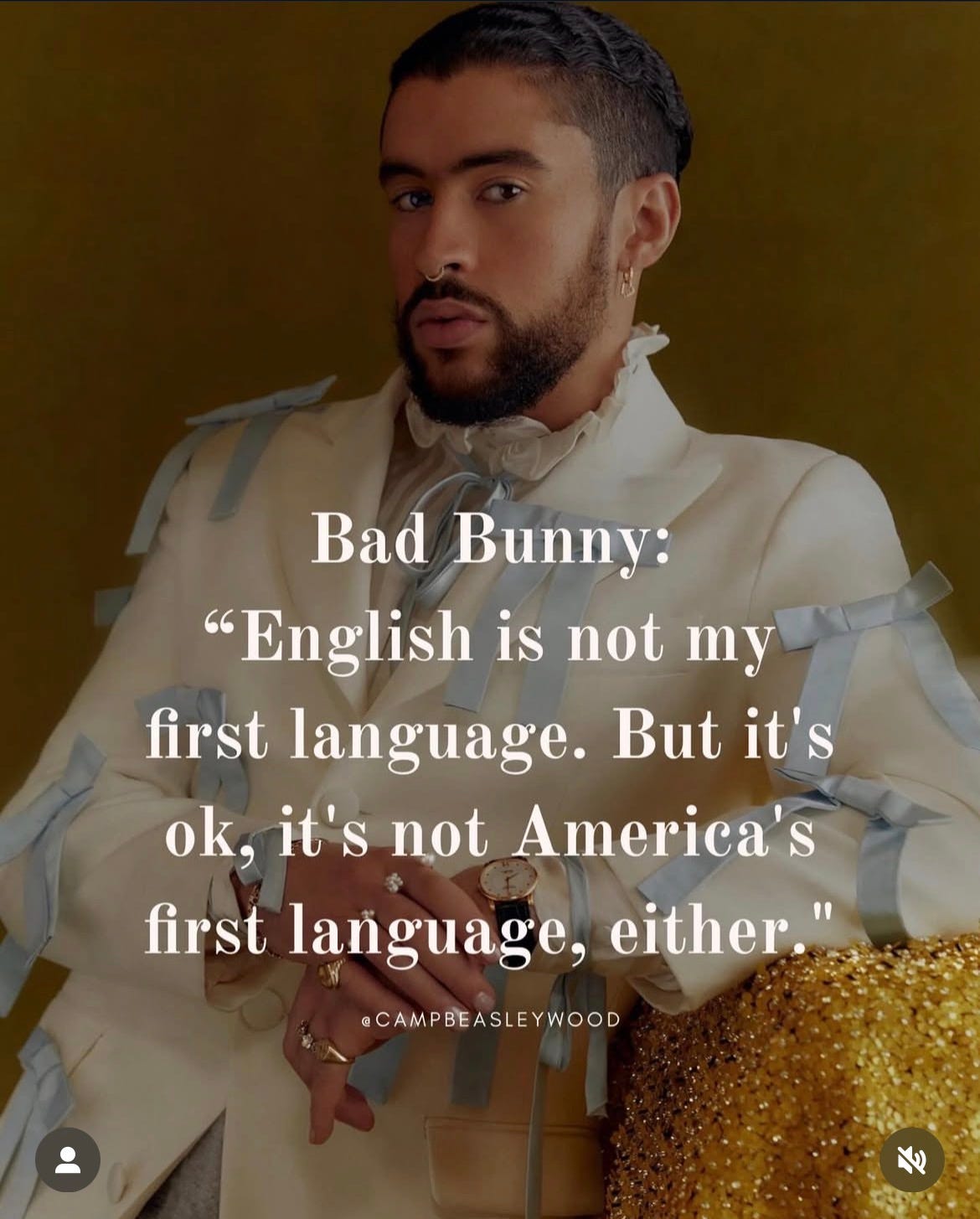


Meanwhile, I do love it when Americans are so batshit insane they make that Megatw*t Piers Morgan look reasonable.
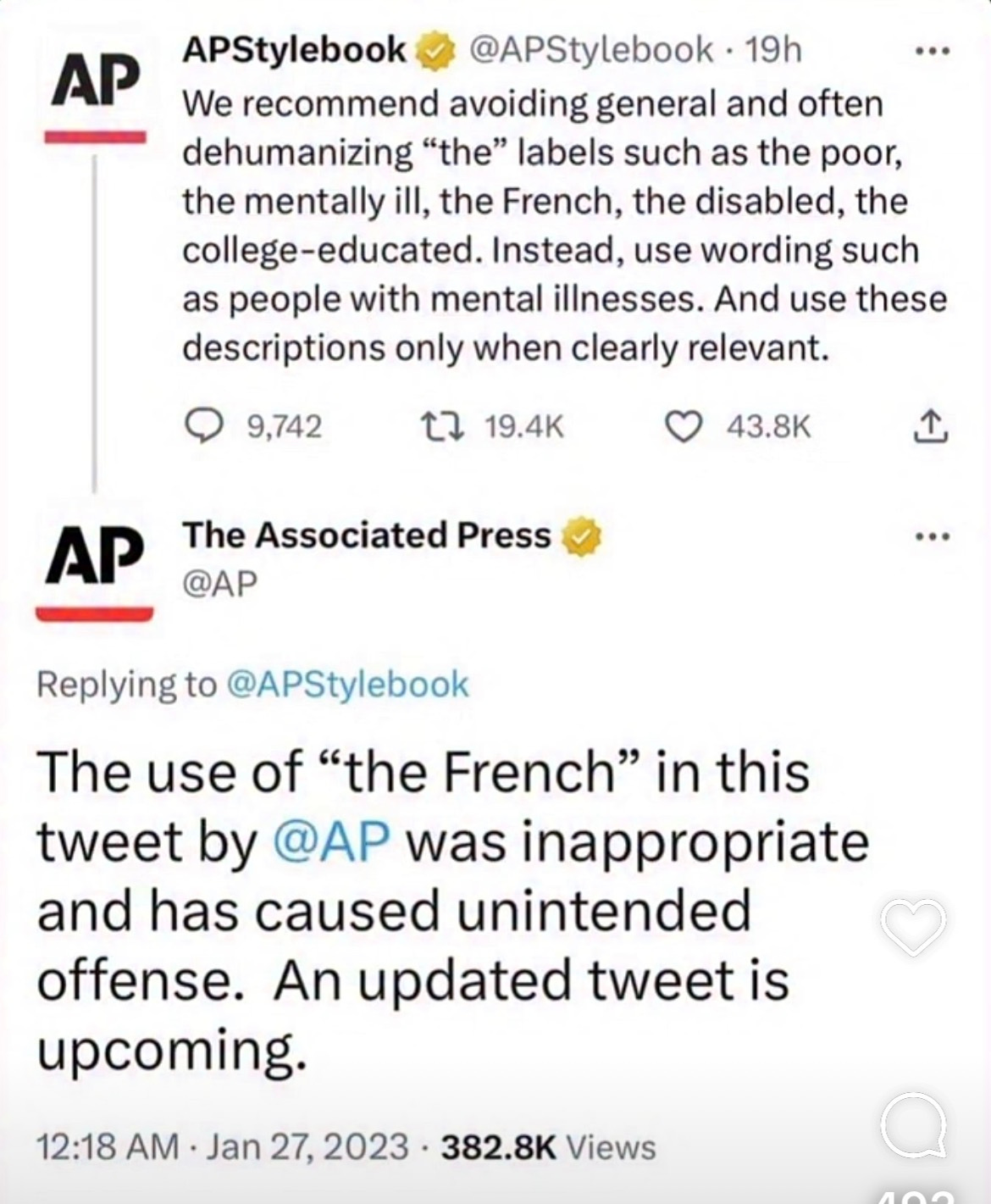
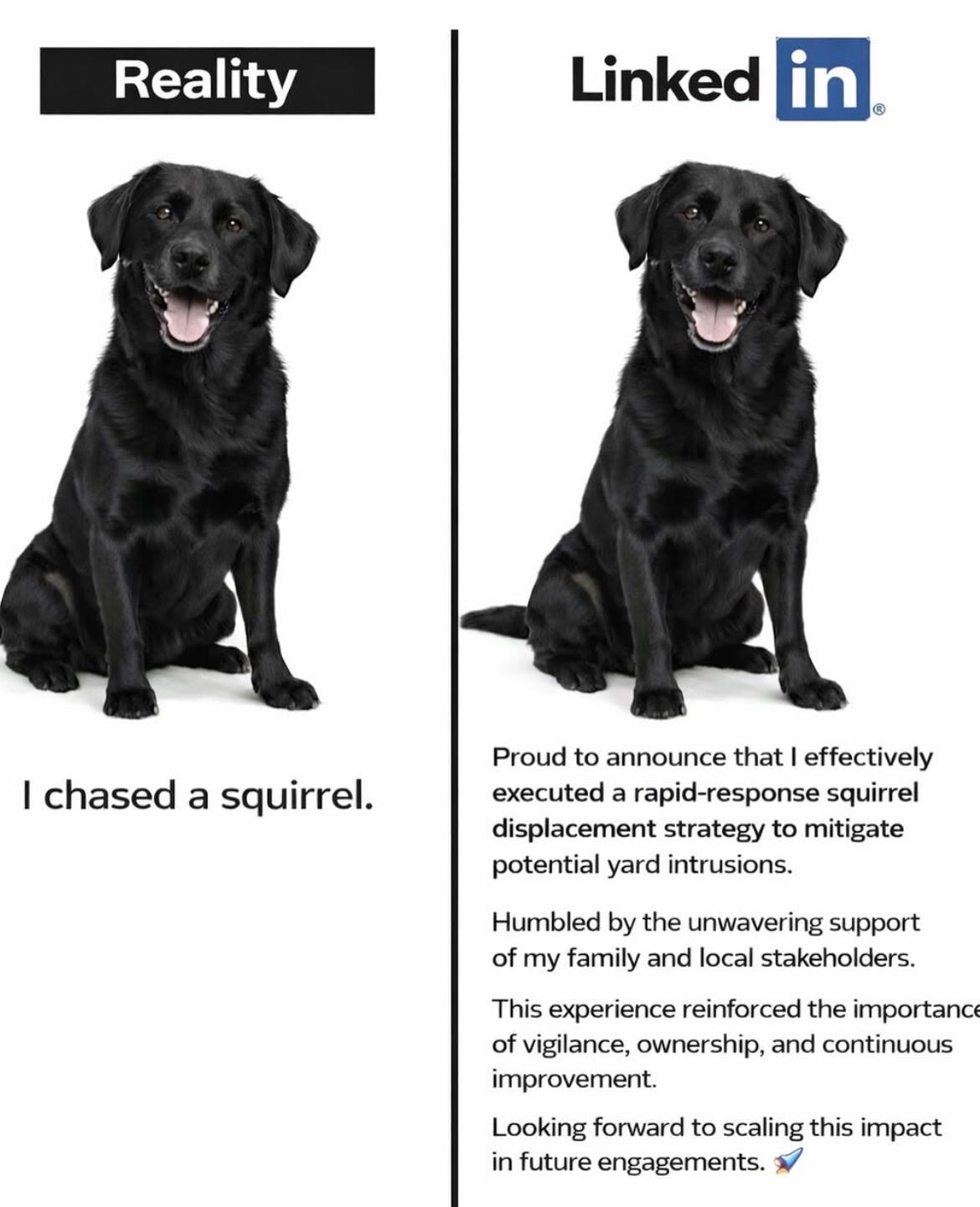
Other Internet nonsense
And finally…
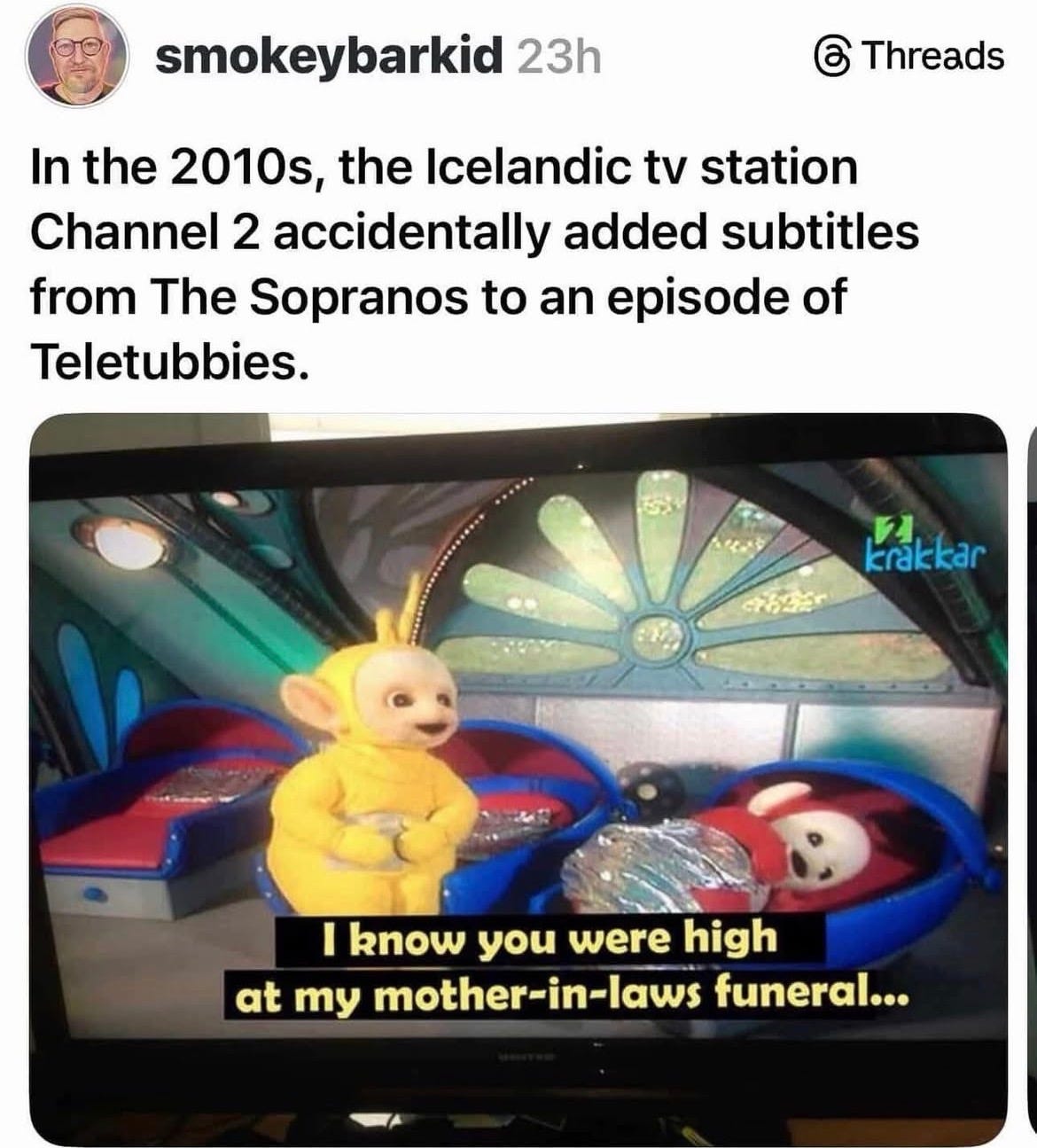
I can still barely feel my nose after my return from Copenhagen, which was honestly a bit dismal, apart from the pastries, and a fantastic museum called the Glyptotek. Ironically, set up by a philanthropist of the Carlsberg empire. Great museum, crap beer, not my first hypocritical brush with philanthropy for sure.
Anyway, I shall see you again in a week or three with one of the essays I have been piling up, if I can finish them…
Barely Civil Society is about making the nonprofit world braver.
Here are three ways to help.
1. Subscribe - and consider a paid subscription!
2. Share Barely Civil Society: Lord knows the algorithms are not in our favour.
3. Support!
There are practical reasons to chuck me a fiver: I’m saving up for journals and periodicals access so I can keep better track of what is happening in the sector. Can you chip in and buy me a periodical?


Wvery